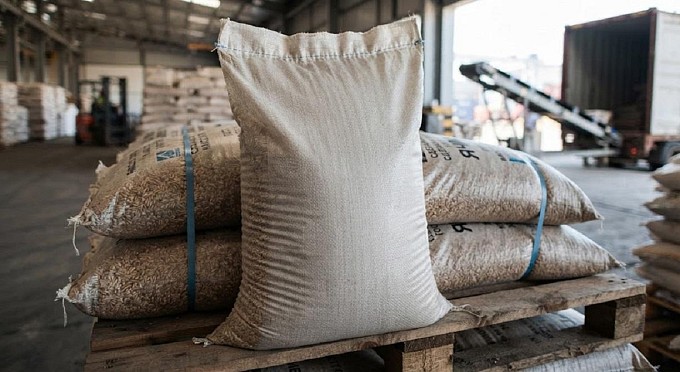
The combined volume of barley exports from Kazakhstan to Uzbekistan and Tajikistan in the current 2025/26 marketing year has already surpassed shipments to China. According to the Grain Union of Kazakhstan, as the livestock and poultry sectors in these republics develop, they will become key and increasingly significant buyers of Kazakhstani grain, thereby altering traditional export patterns, reports the APK Novosti agency.
Data from the Union indicates that export flows of Kazakhstani barley in the 2025/26 marketing year (September 2025 – August 2026) have undergone a major transformation. Preliminary data from the State Revenue Committee of the Republic of Kazakhstan, analyzed by the Grain Union, show that traditional sales markets are shrinking, giving way to new, growing destinations in Central Asia.
Over the course of the current marketing year, Kazakhstan exported a total of 1,370.2 thousand tonnes of barley (excluding EAEU countries). This figure is 30.9% lower than that of the corresponding period in the previous 2024/25 marketing year. A sharp surge in shipments occurred in August, with exports reaching 123.9 thousand tonnes—four times the volume recorded in July. However, this spike was insufficient to offset the overall annual decline.
The primary reasons for the drop in total exports were issues affecting two of Kazakhstan's traditional markets:
Iran: Shipments plummeted by a factor of 2.06—dropping from 1,228.4 thousand tonnes to 595.7 thousand tonnes. The Grain Union of Kazakhstan attributes this to two factors: aggressive price competition from Russian barley and the outbreak of hostilities in the Middle East in late February, which destabilized logistics and demand.
China: Exports to China fell by 16.6% to 371.8 thousand tonnes compared to the previous year's figures. The main reasons include a shift by Chinese processors toward importing feed flour (as a raw material for their own compound feed industries) and periodic logistical and infrastructure bottlenecks at border crossings.
Other destinations: Exports to Azerbaijan dropped to virtually zero (down from 34.6 thousand tonnes), while exports to Iraq fell more than 15-fold (from 14.1 to 0.9 thousand tonnes).
Against the backdrop of this overall decline, countries with developing agro-industrial sectors emerged as key export drivers:
Uzbekistan: Purchases increased 1.56-fold to 271.4 thousand tonnes (up from 173.6 thousand tonnes).
Tajikistan: Supplies rose by 29.3% to 107.6 thousand tonnes (up from 83.2 thousand tonnes).
The combined export volume to these two countries alone (379 thousand tonnes) has already surpassed shipments to the world's second-largest economy, China.
The Grain Union of Kazakhstan notes that this trend is long-term in nature. As the livestock and poultry sectors in Uzbekistan and Tajikistan develop, the demand for high-quality feed barley to support their feed supplies will only continue to grow. These markets are geographically closer, established logistics routes are in place, and economic integration within Central Asia simplifies trade procedures.
At the same time, the internal structure of Kazakhstan’s own grain balance is shifting. According to Russian sources, barley imports into Kazakhstan from the Russian Federation totaled 327.3 thousand tonnes in the 2025/26 marketing year (with 35 thousand tonnes imported in August—a 1.75-fold increase over the July figure).
Experts predict that as Kazakhstan’s livestock and processing sectors undergo further modernization, the barley trade will continue to experience structural changes. Gross exports are expected to gradually decline, while domestic consumption for animal feed and deep grain processing within the country will rise.