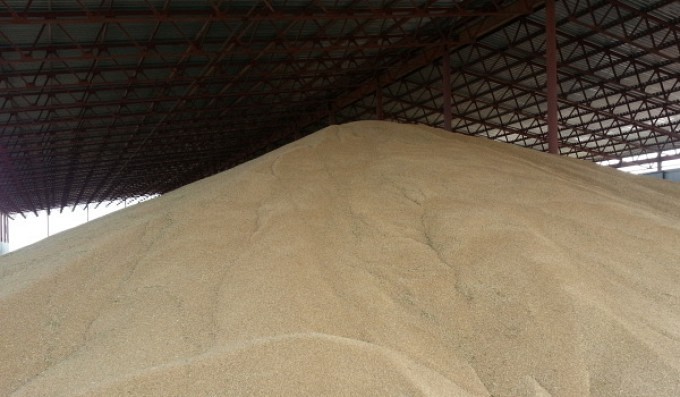
Food Contract Corporation has dispatched 427 railcars of grain to the southern regions, reports the APK Novosti agency.
"During the harvest season, Food Contract Corporation is reducing the volume of uncommitted grain in its inventory. Between July and August, the national grain operator shipped 427 railcars loaded with wheat to the Turkistan Region," the Ministry of Agriculture of the Republic of Kazakhstan reported.
In total, the region received 30,000 tons of grain from elevators in the North Kazakhstan and Akmola regions. Wheat of the 3rd and 4th classes predominated in the shipments.
Moving grain helps maintain the food balance in a region where wheat production is limited by climatic and soil conditions.
At the same time, shipping grain out of the northern regions frees up elevator capacity to receive the new harvest. Previously, Minister of Agriculture Aidarbek Saparov had instructed officials to ensure the timely preparation of grain-receiving infrastructure for the harvest campaign.
The reduction in uncommitted resources does not affect the state reserve. The corporation’s grain storage facilities maintain a constant stock of 500,000 tons of food-grade grain intended to ensure food security.
An additional 200,000 tons constitutes a standing feed grain reserve. This stock supports poultry and livestock farms as well as compound feed plants, and can also be released in the event of drought, emergencies, or other unforeseen circumstances.
Grain stocks are stored at the facilities of the corporation’s subsidiary, "Astyq Qoymalary" LLP, and at partner elevators, with a combined storage capacity exceeding 8.9 million tons.
The Ministry of Agriculture defines state policy and approaches regarding food security. As the national operator, Food Contract Corporation handles the procurement, storage, and inter-regional redistribution of grain. The grain reserve is replenished annually through purchases from agricultural producers. Following the harvest, farmers participating in the forward contract program begin delivering grain to state stockpiles. In addition, the national operator purchases commercial grain on the market to replenish and refresh stocks.