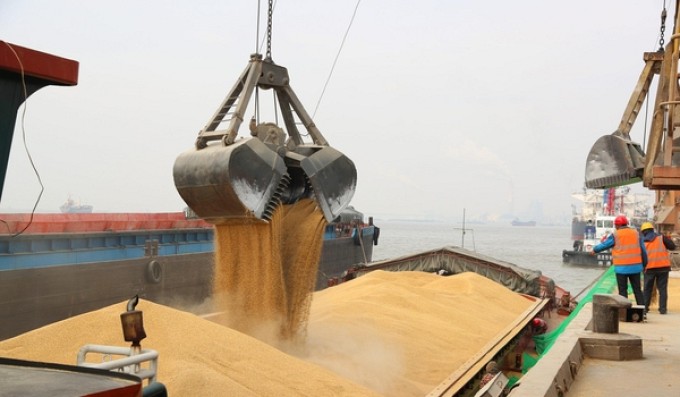
For years now, a debate has been raging in Kazakhstan: which is more important for the country – flour or grain exports? Some insist on deep processing, while others speak of the need to increase raw material exports. But in this debate, the main market participant – Kazakhstan's grain producers – is increasingly being overlooked.
Yet the entire industry depends on the farmers' economic stability.
The main error in the debate
Today's debate is framed incorrectly. It goes like this: "What is more profitable for the country – flour or grain?"
But the correct question should be: "What is more profitable for the farmer? And does the market offer them a choice?"
Because if the producer has no choice of distribution channels, neither flour nor grain contributes to the economy.
The Lesson of the Saryagash Monopsony
Kazakhstan has already experienced a situation where dependence on a single market led to systemic imbalances. The so-called "Saryagash Monopsony" is an example of a large number of sellers effectively facing a single buyer.
In such conditions, the buyer dictates the price, and the producer is forced to accept unfavorable terms.
Why flour exports are falling—and that's normal
Uzbekistan, Afghanistan, and other countries are developing their own processing industries, creating jobs, and keeping added value domestically.
That's why they buy grain, not flour. This isn't a crisis—it's market evolution.
Why developed countries export grain
The United States, Canada, Australia, France, and Argentina export primarily grain. Grain is a global commodity, while flour is a local product.
The global model: the producer sells the grain, and the consumer processes it domestically.
Freedom of choice is key
The problem isn't grain exports, but the lack of alternatives for the producer.
When the market is limited, prices are depressed, and farmers lose income.
The real solution
Kazakhstan doesn't have to choose between flour and grain—that's a false dilemma.
It is important to ensure the maximum number of sales markets, freedom of product choice, and the development of deep processing under market conditions.
Conclusion
The top priority is a sustainable producer income.
This is only possible with buyer competition, market access, and freedom of choice.