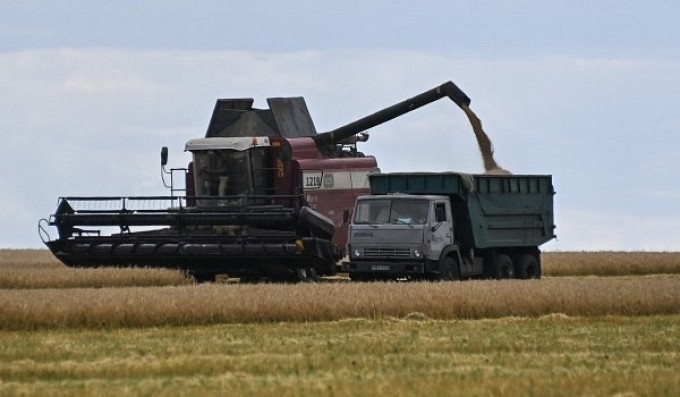
Kazakhstan plans to increase trade volume (in physical terms) by at least 6.5% by 2026. To achieve this goal, the focus is shifting to structural factors for expanding turnover and exports. These include increasing wholesale supplies of agricultural products to foreign markets, including grain, and increasing domestic production of food and non-food products. This was reported by the government press service following a meeting of the Economic Growth Headquarters.
"The key driver of growth in the volume of trade will be the development of an organized wholesale chain. Starting this year, wholesale B2B electronic trading platforms will be fully launched, enabling direct deliveries between producers and domestic trade entities. Sales markets for domestic goods are expanding. This year, wholesale purchasing standards will be introduced, aimed at increasing pricing transparency, reducing redundant intermediaries, and creating a predictable business environment," the government reported.
An additional incentive for domestic producers was provided by updated domestic trade regulations, which mandate the allocation of at least 30% of retail space for Kazakhstani products. Measures to license and regulate markets as a key source of informal trade, as well as digitalization and supply chain traceability, will also make a significant contribution.
Furthermore, high growth rates are expected in the transportation and warehousing sectors in 2026. Growth of 6.1% is projected in the first quarter alone, and 9.6% by the end of the year. These targets are expected to be achieved through the repair of 11,000 km of roads, the completion of the Kyzylzhar-Moiynty and Darbaza-Maktaaral railway lines, the opening of Zaysan, Katon-Karagay, and Kenderli airports, the modernization of railway and air terminals, and the renewal of the transport fleet.
Overall, the key focus of economic development in 2026 is on the development of the manufacturing industry as a source of GDP growth. At the direction of Deputy Prime Minister Serik Zhumangarin, the Ministry of Industry and Construction has developed a roadmap for the development of the manufacturing industry, detailing measures for each sector.
Following the meeting, Serik Zhumangarin instructed the regions to maintain growth rates in key economic sectors amid strict budget consolidation. He also emphasized that, in the context of the declared Year of Digitalization and Artificial Intelligence, special attention will be paid to the economic development of the relevant sector.