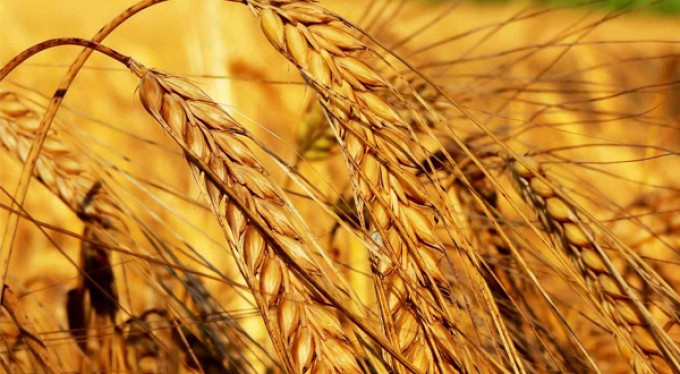
Following the 2026 harvest campaign, Kazakhstan has gathered 24.3 million tonnes of grain—one of the highest figures recorded in the last 15 years. Only two previous record-breaking years have seen a higher total harvest during this period.
This achievement underscores the significant production potential of the nation’s agro-industrial complex, as well as the vital contribution of agricultural producers to ensuring the country’s food security.
A comprehensive modernization of the agro-industrial complex is underway, in line with the objectives set by the Head of State. This initiative aims to boost labor productivity, mitigate production risks, strengthen the sector's resilience, and expand export opportunities. Key priorities include improving farmers' access to low-interest financing, upgrading agricultural machinery, ensuring an adequate supply of mineral fertilizers and high-quality seeds, adopting modern agricultural technologies, managing land and water resources sustainably, and adapting the agricultural sector to climate change.
Beyond the total volume, the quality of the harvest is also a significant achievement. Preliminary data indicate that approximately 72% of the soft wheat delivered to grain elevators qualifies as third-class grain. In 48% of the samples tested, the gluten content exceeds 28%. In the Akmola region, third-class wheat accounts for 90% of the harvest, while "Hi-Pro" (high-protein) wheat makes up 70%.
These high quality standards create new opportunities for utilizing Kazakhstani grain for food production, developing the processing industry, and strengthening the competitive position of domestic products in foreign markets.
Positive momentum is also evident in the export sector. Over the last two marketing years, Kazakhstan exported 15.5 million and 16 million tonnes of grain and flour (in grain equivalent), respectively—marking record figures since the country gained its independence. According to JSC NC "Kazakhstan Temir Zholy," grain exports from September to October 19, 2026, reached 1.657 million tonnes—an increase of 9%.
Systematic efforts to modernize the agro-industrial complex are ongoing, aimed at further enhancing production efficiency. Key focus areas include expanding farmers' access to subsidized financing, upgrading agricultural machinery, improving the availability of mineral fertilizers and high-quality seeds, implementing modern agricultural technologies, ensuring the rational use of land and water resources, and adapting the agricultural sector to climate change.
Over the past three years, the application of mineral fertilizers has nearly tripled, reaching 1.8 million tonnes in 2025. In 2026, 2.1 million tonnes have already been applied, against a target of 2.3 million tonnes. The share of elite-grade seeds has reached 12%, laying the groundwork for further improvements in both crop yields and the quality of agricultural produce.
The 2026 harvest campaign involved more than 130,000 tractors, 29,000 combine harvesters, 17,000 reapers, and approximately 130,000 other units of agricultural machinery. Thanks to the consistent renewal of the machinery and tractor fleet between 2023 and 2025, the wear-and-tear rate of agricultural equipment has decreased from 85% to 65%. By the end of 2026, the rate of equipment renewal is projected to reach 8%.
A subsidized leasing program provides further support for the technical re-equipment of the sector. Since the program’s inception, farmers have acquired more than 12,700 tractors and 2,340 combine harvesters. Machinery acquired under the program accounts for nearly 10% of the country’s total fleet of tractors and combine harvesters.
The future development of the agro-industrial sector will hinge on consistently increasing crop yields, improving grain quality, expanding the use of modern agricultural technologies, and strengthening the resource base available to agricultural producers.
Implementing these measures will enhance the agro-industrial sector’s resilience to external and climatic factors, ensure more efficient use of production resources, and sustain the industry’s positive development momentum.