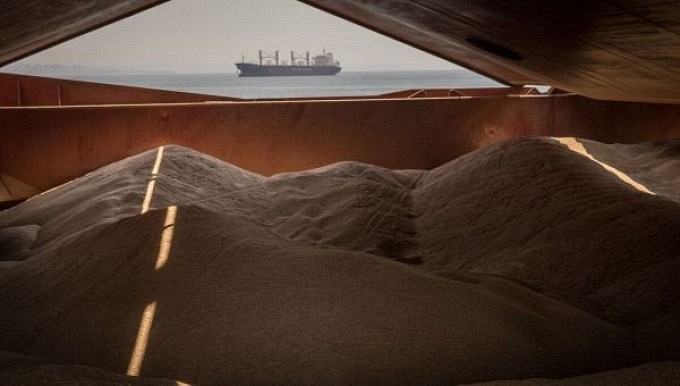
The export of Kazakh durum wheat to premium European markets at the beginning of the new season was practically blocked. Due to the escalation of hostilities in the Black Sea region, the overload of the infrastructure of the Baltic ports and the high cost of alternative routes, Kazakh exporters are forced to redirect durum wheat flows to the markets of Central Asia, reports the APK News agency.
According to the Grain Union of Kazakhstan, which refers to the State Revenue Committee of the Republic of Kazakhstan, in September 2026, durum wheat exports (excluding EAEU countries) amounted to 10.4 thousand tons. This is 5.5 times more than in August 2026 and 9.6% below the level of September last year.
Calm in the European direction
The main trend at the beginning of the 2026/27 season was the complete lack of shipments to traditional European buyers. In September, Kazakhstan did not send a single shipment of durum to Italy, a key importer of Kazakh durum wheat, and also completely stopped exports to Latvia.
The Grain Union of the Republic of Kazakhstan identifies four key reasons blocking the export of durum to non-CIS countries:
Military escalation and port blockade: Capacity in the Azov and Black Seas remains unavailable due to the escalation of hostilities in the region.
Congestion in the Baltic: The reorientation of Russian grain flows from the Black Sea basin to the Baltic has led to a critical overload of the port infrastructure of the Russian Federation and the Baltic countries.
Rising costs of alternatives: Routes through the Georgian port of Poti are economically unaffordable for Kazakh traders due to a significant increase in logistics costs.
Delay of subsidies: In Kazakhstan, there are still no approved rules for subsidizing transport costs when exporting wheat to distant markets, which leaves businesses without government support in the face of expensive transit.
Unable to break into the European market, the export flow of durum wheat was redistributed towards the countries of Central and Central Asia, where significant growth was recorded:
Tajikistan became the main importer in September, purchasing 6.4 thousand tons (versus zero shipments a year earlier);
Afghanistan imported 2.7 thousand tons (last year there were no supplies);
Uzbekistan increased purchases of durum by 1.86 times - up to 1.3 thousand tons.
Industry experts note that without promptly resolving issues with subsidizing transport costs and finding reliable corridors, Kazakh farmers risk losing marginal European markets for durum wheat this season.